Eidoryx — AI Built Right
Contact Us
Home / Industries / NLP & Conversational AI

NLP & Conversational AI

Intelligent annotation for natural language processing, conversational AI, language understanding, and next-generation AI systems

High-fidelity annotation for text, conversations, customer interactions, documents, and multilingual language data. Eidoryx supports AI systems that need to understand human language, identify intent, extract meaning, interpret context, and generate accurate and relevant responses across diverse communication environments.

NLP & Conversational AI annotation example

Types of Annotation

10 annotation types for nlp & conversational ai data.

Named Entity Recognition (NER) and Intent & Topic Annotation

Named Entity Recognition (NER)

Identifying and labeling entities such as people, organizations, locations, dates, products, companies, medical terms, financial entities, and other project-specific concepts. These datasets support information extraction, search, knowledge graphs, and language understanding.

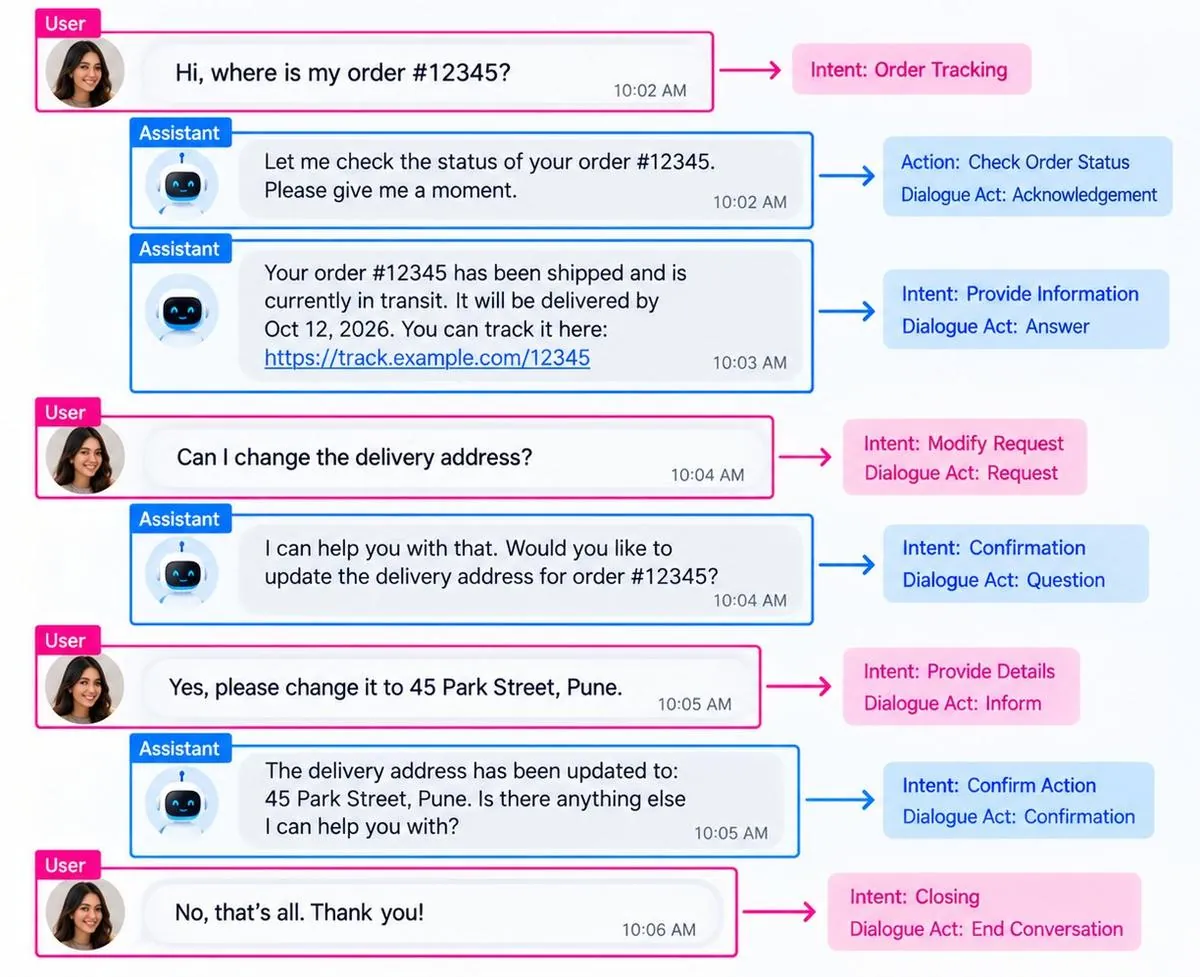
Intent & Topic Annotation

Classifying user queries, messages, and conversations according to intent, topic, request type, or business-specific categories. These datasets support chatbots, virtual assistants, customer-service automation, and intelligent routing systems.
Sentiment & Emotion Annotation and Conversation & Dialogue Annotation

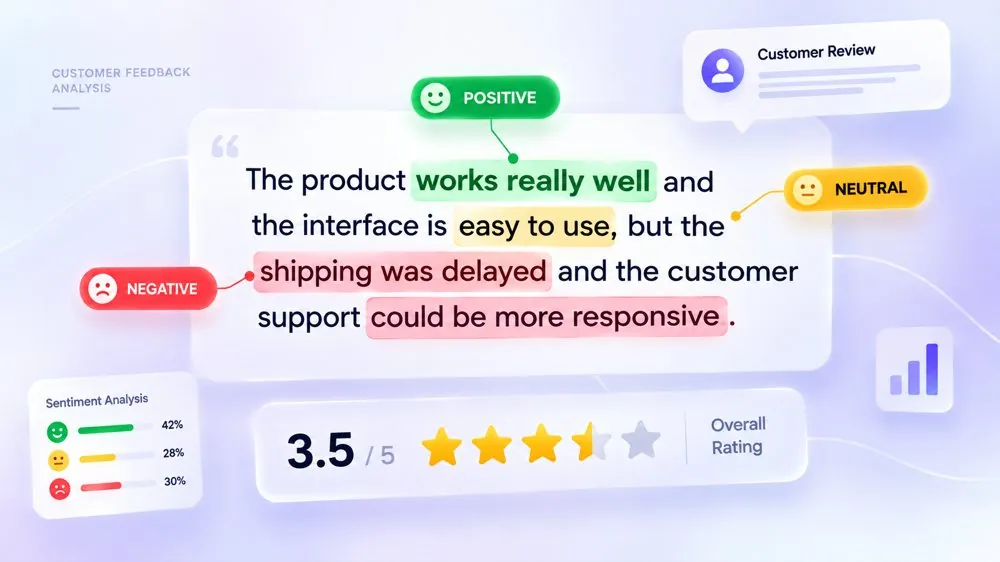
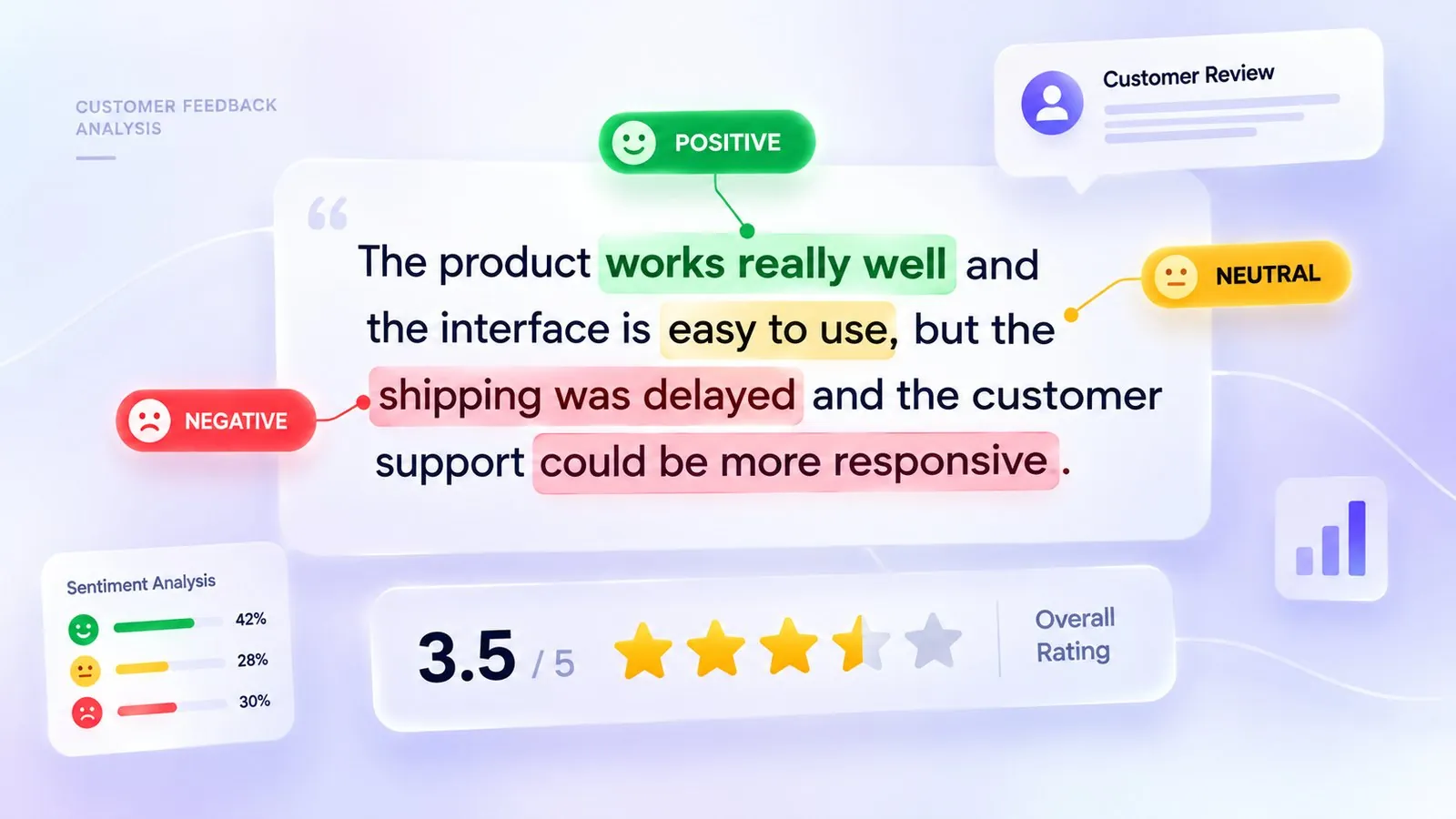
Sentiment & Emotion Annotation

Labeling text and conversations according to sentiment, emotion, tone, urgency, or other project-defined emotional states. These datasets support customer experience analysis, social listening, conversational AI, and emotion-aware systems.

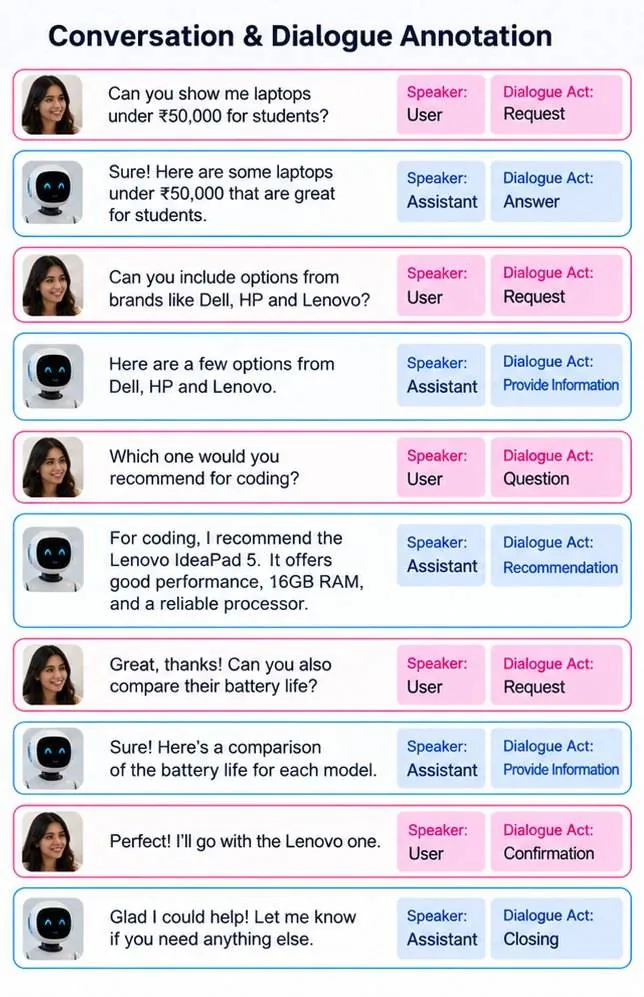
Conversation & Dialogue Annotation

Annotating conversation turns, speaker roles, dialogue acts, questions, answers, requests, confirmations, escalations, and contextual relationships. These datasets support conversational AI, virtual assistants, voice agents, and dialogue-management systems.

Text Classification & Categorization and Relation & Semantic Annotation

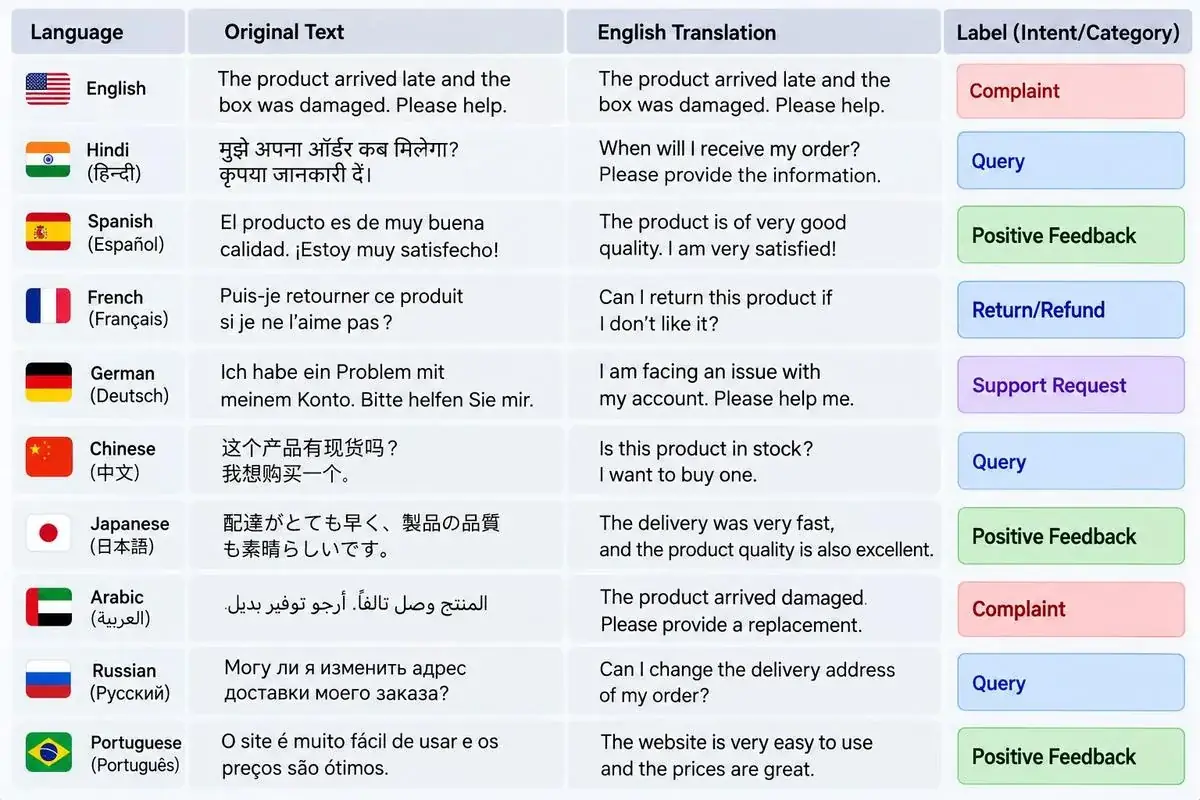
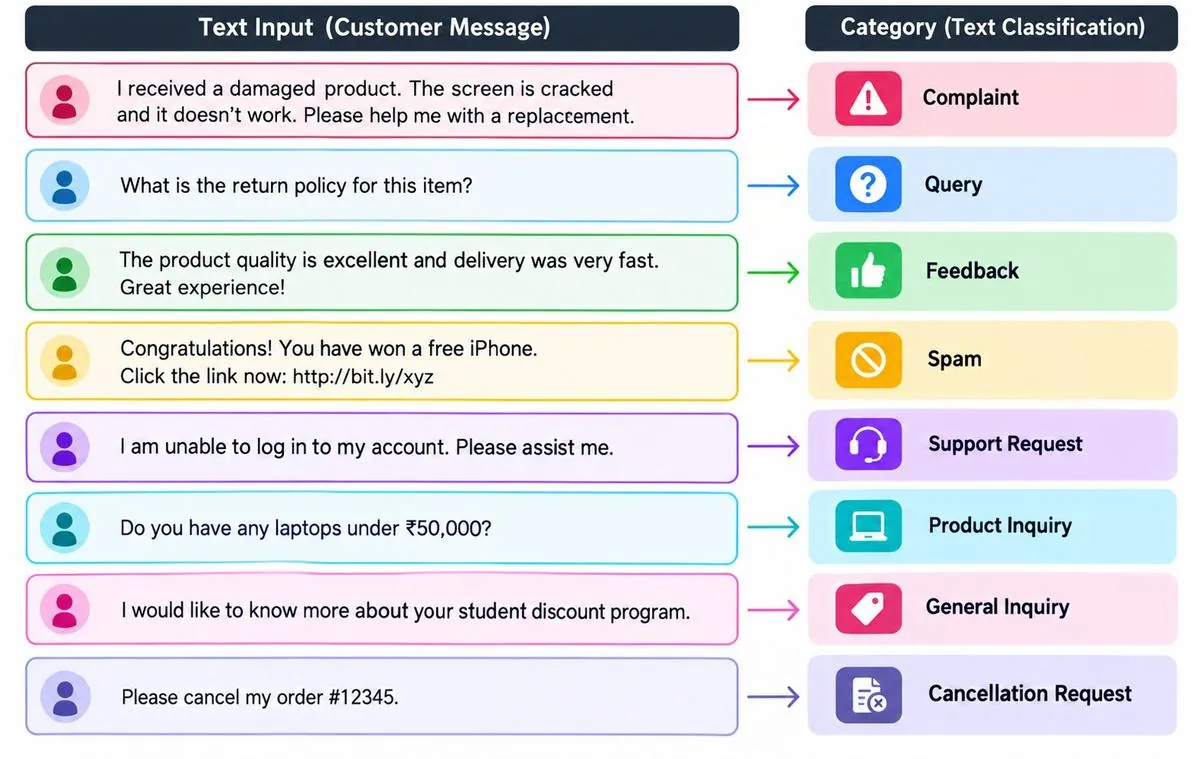
Text Classification & Categorization

Classifying text into predefined categories such as complaints, queries, feedback, spam, support requests, product categories, or domain-specific topics. These datasets support automated text processing, content organization, search, and decision-support systems.

Relation & Semantic Annotation

Identifying relationships between entities, concepts, events, and statements within text. These annotations support knowledge extraction, semantic search, knowledge graphs, and advanced language-understanding models.

Question & Answer Annotation and Multilingual & Cross-Lingual Annotation

Question & Answer Annotation

Creating and labeling questions, answers, supporting passages, and contextual relationships from structured and unstructured content. These datasets support question-answering systems, retrieval-augmented AI, search assistants, and knowledge-based chatbots.

Multilingual & Cross-Lingual Annotation

Annotating text and conversations across multiple languages, scripts, dialects, and linguistic variations. These datasets support multilingual AI, translation systems, global conversational assistants, and cross-language search.

Chatbot & Virtual Assistant Annotation and LLM & Generative AI Data Annotation

Chatbot & Virtual Assistant Annotation

Annotating user queries, assistant responses, dialogue flows, escalation points, fallback scenarios, and conversational outcomes. These datasets support customer-service bots, enterprise assistants, AI agents, and automated support systems.

LLM & Generative AI Data Annotation

Evaluating and labeling AI-generated responses for relevance, factuality, helpfulness, safety, instruction following, tone, and response quality. These datasets support LLM training, fine-tuning, preference learning, evaluation, and generative AI systems.

Quality Assurance

  • Multi-stage annotation, senior linguistic review, and final verification.
  • Domain-specific taxonomies covering intent, entities, sentiment, dialogue, topics, and semantic relationships.
  • Context-level review to ensure labels reflect the meaning and intent of the complete conversation rather than isolated words.
  • Consistency checks across multilingual, ambiguous, informal, conversational, and domain-specific language.
  • Accuracy and completeness thresholds established before final delivery.

Why Eidoryx for NLP & Conversational AI?

Built for complex language and conversational environments, where meaning, context, intent, and human interaction must be accurately understood. Eidoryx combines structured language annotation with NLP-focused quality workflows to create reliable datasets for natural language processing, conversational AI, chatbots, virtual assistants, LLMs, generative AI, semantic search, RAG systems, customer-service automation, sentiment analysis, multilingual AI, and intelligent AI agents.

AI Needs More Than Data.

Talk to our team about annotation programs, datasets, and enterprise AI infrastructure tailored to your domain.