Eidoryx — AI Built Right
Contact Us
Home / Industries / Healthcare & Life Sciences
Core domain

Healthcare & Life Sciences

Intelligent annotation for medical imaging, clinical AI, biomedical research, and life sciences applications

High-fidelity annotation for medical images, pathology, microscopy, clinical data, biomedical imagery, pharmaceutical products, and scientific datasets. Eidoryx supports AI systems that need to understand complex biological structures, anatomical features, disease patterns, clinical information, and pharmaceutical data across healthcare and life sciences environments.

Healthcare & Life Sciences annotation example

Types of Annotation

12 annotation types for healthcare & life sciences data.

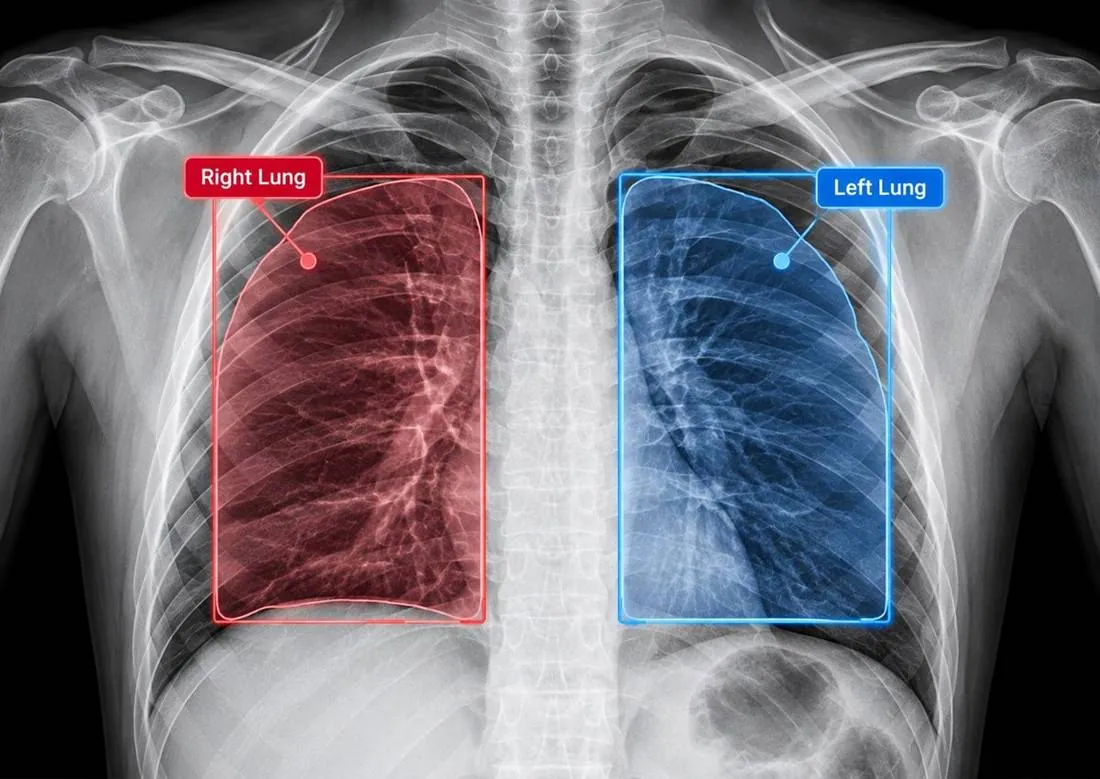
Medical Image Annotation and Radiology & Anatomical Annotation

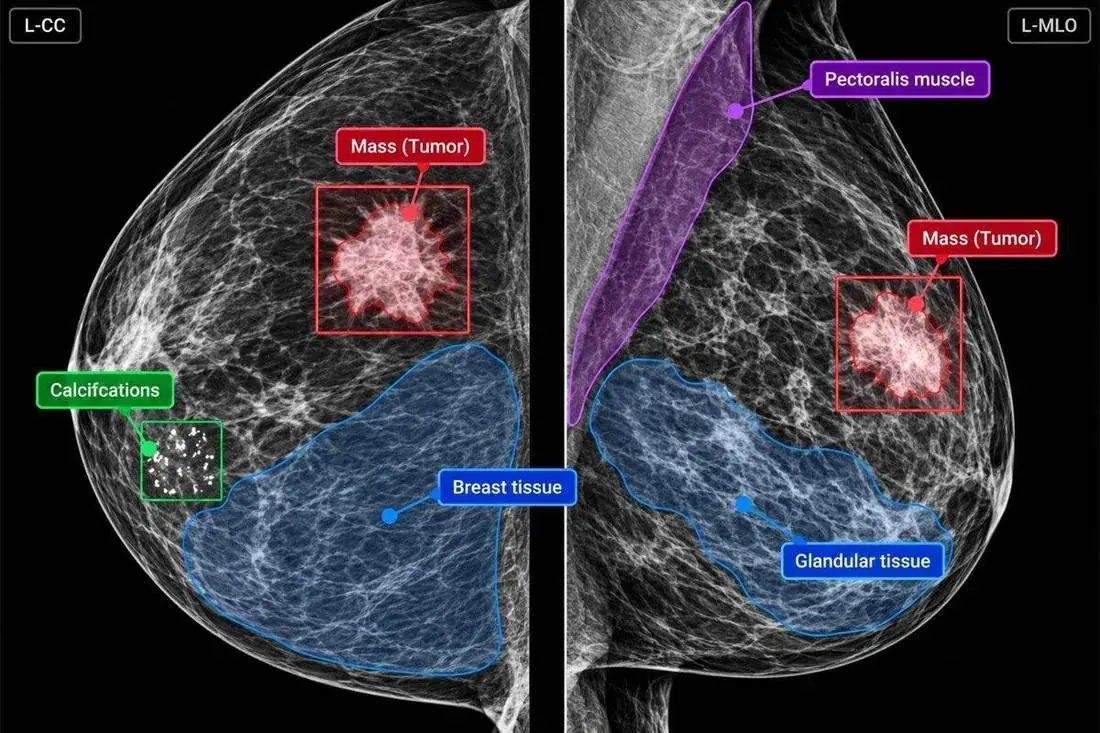
Medical Image Annotation

Annotating X-rays, CT scans, MRI, ultrasound, mammography, and other medical images using bounding boxes, polygons, keypoints, and segmentation masks. These datasets support medical image analysis, computer-aided diagnosis, disease detection, and clinical decision-support systems.

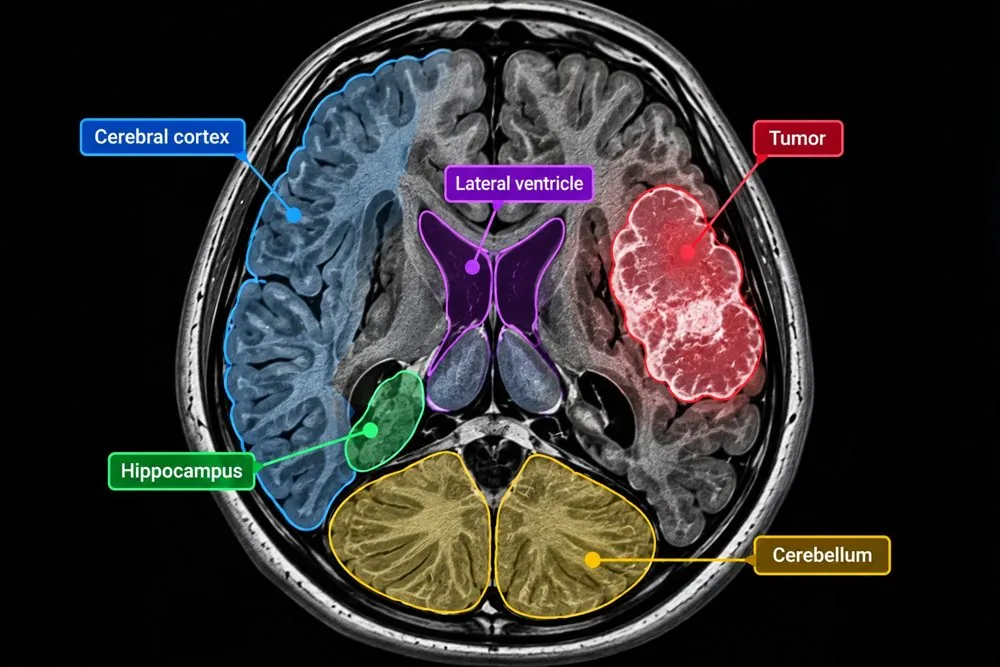
Radiology & Anatomical Annotation

Identifying and labeling organs, bones, tissues, lesions, tumors, fractures, nodules, and other anatomical or pathological structures. These annotations support radiology AI, automated screening, anatomical segmentation, and clinical image analysis.
Histopathology & Tissue Annotation and Cell & Nuclei Annotation

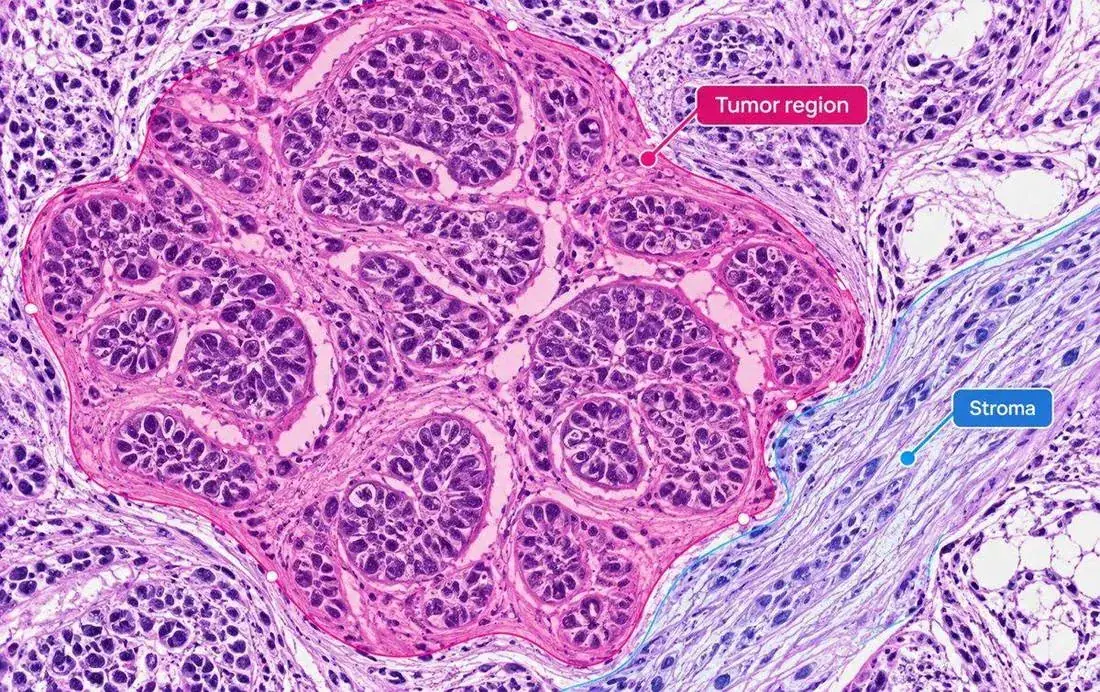
Histopathology & Tissue Annotation

Annotating tissue regions, tumors, glands, stromal areas, necrotic regions, and other histological structures in pathology slides. These datasets support digital pathology, cancer detection, tissue classification, and computational pathology systems.

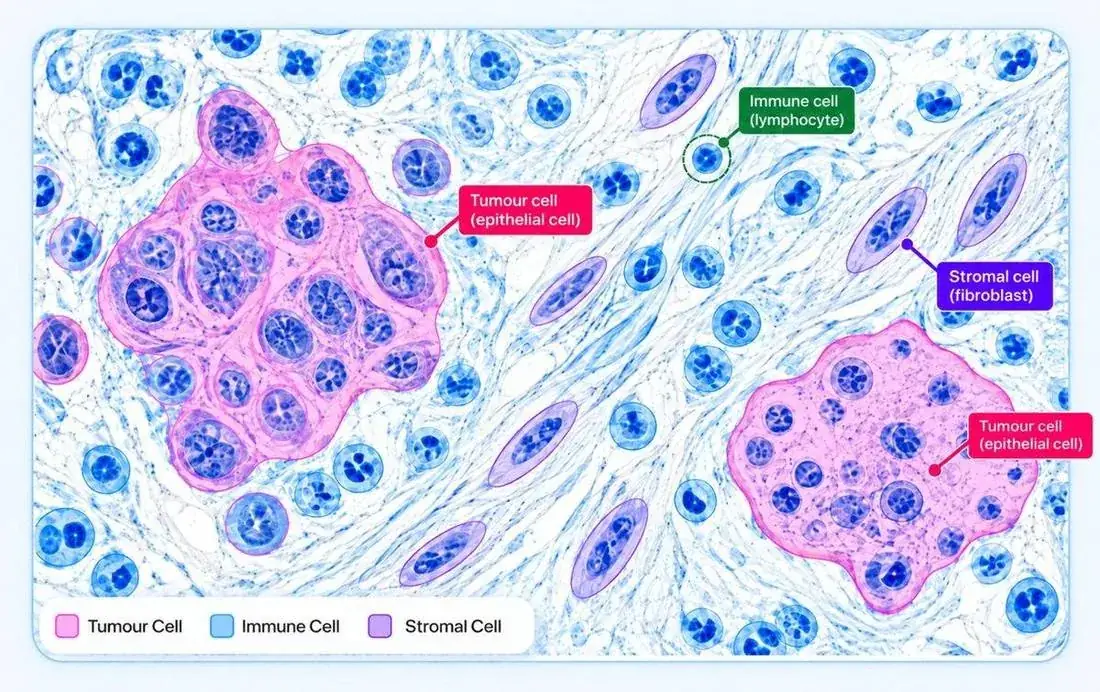
Cell & Nuclei Annotation

Detecting, classifying, and segmenting individual cells, nuclei, and cellular structures using bounding boxes, polygons, and pixel-level masks. These annotations support cell counting, morphology analysis, disease classification, and biomedical research.

Disease & Lesion Annotation and Dermatology & Ophthalmology Annotation

Disease & Lesion Annotation

Localizing and classifying tumors, lesions, infections, abnormalities, wounds, and other disease-related features. These datasets support early detection, disease screening, diagnosis assistance, and clinical research.

Dermatology & Ophthalmology Annotation

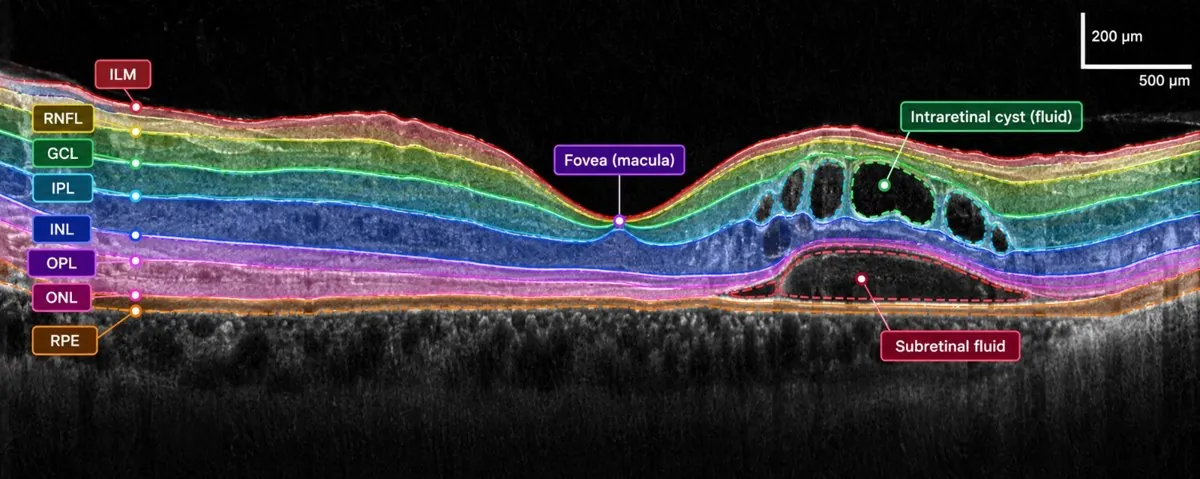
Annotating skin lesions, rashes, pigmentation, ulcers, retinal structures, blood vessels, optic discs, and other ophthalmic or dermatological features. These datasets support automated screening, disease detection, and specialized medical AI applications.

Dental & Oral Imaging Annotation and Medical Segmentation

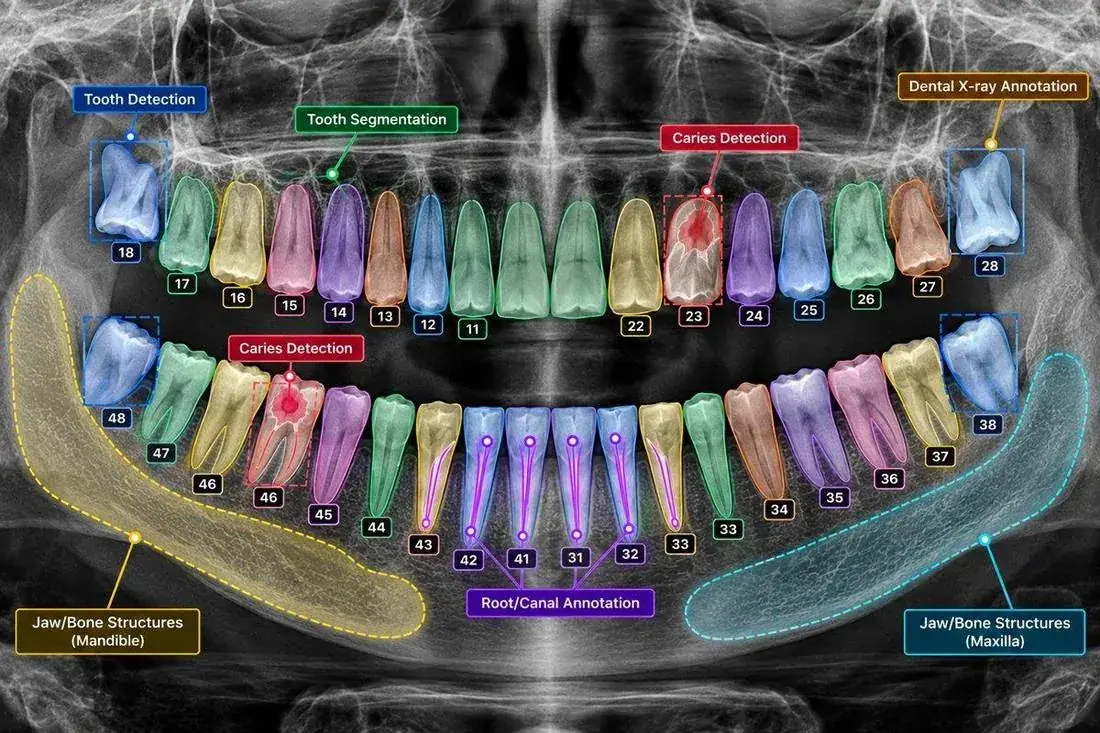
Dental & Oral Imaging Annotation

Annotating teeth, dental cavities, restorations, roots, jaw structures, periodontal regions, and other oral features in dental X-rays and imaging datasets. These annotations support dental diagnostics, treatment planning, and dental AI systems.

Medical Segmentation

Pixel-level segmentation of organs, tissues, tumors, lesions, cells, anatomical structures, and other regions of interest. These datasets enable precise measurement, volumetric analysis, treatment planning, and automated medical image processing.

Clinical Document & Medical OCR and Biomedical & Microscopy Annotation

Clinical Document & Medical OCR

Annotating medical records, laboratory reports, prescriptions, clinical forms, diagnostic reports, and other healthcare documents. These datasets support medical OCR, information extraction, document intelligence, and clinical NLP systems.

Biomedical & Microscopy Annotation

Annotating microorganisms, cells, tissues, biological structures, experimental samples, and microscopy imagery. These datasets support biomedical research, laboratory automation, biological image analysis, and scientific AI applications.

Pharmaceutical & Drug Product Annotation and Molecular & Drug Discovery Data

Pharmaceutical & Drug Product Annotation

Identifying tablets, capsules, vials, syringes, packaging, labels, pharmaceutical products, and manufacturing features. These datasets support pharmaceutical inspection, product recognition, packaging verification, and automated quality-control systems.

Molecular & Drug Discovery Data

Annotating molecular structures, chemical entities, drug-related information, biological interactions, and scientific datasets. These annotations support drug discovery, molecular AI, cheminformatics, biomedical research, and pharmaceutical development.

Quality Assurance

  • Multi-stage annotation, senior review, and final verification.
  • Healthcare- and life-science-specific taxonomies covering anatomy, pathology, cells, tissues, diseases, clinical information, and pharmaceutical data.
  • Detailed review of small lesions, overlapping cells, irregular anatomical boundaries, low-contrast structures, and complex tissue regions.
  • Pixel-level quality checks for medical and histopathology segmentation tasks.
  • Consistency checks across different imaging modalities, staining conditions, magnifications, and acquisition environments.
  • Verification of medical, biological, pharmaceutical, and clinical labels against project-specific annotation guidelines.
  • Strict handling of sensitive healthcare datasets with controlled workflows and confidentiality requirements.
  • Accuracy and completeness thresholds established before final delivery.

Why Eidoryx for Healthcare & Life Sciences?

Built for complex healthcare and life sciences environments, where anatomical structures, disease patterns, cells, tissues, clinical information, and pharmaceutical data must be accurately understood. Eidoryx is led by directors with biotechnology and life sciences backgrounds, bringing academic knowledge and hands-on exposure to healthcare environments into our data annotation workflows.

Eidoryx combines this domain understanding with structured annotation and quality-control workflows to create reliable datasets for medical AI, digital pathology, radiology, biomedical research, drug discovery, pharmaceutical AI, disease detection, laboratory automation, and next-generation healthcare systems.

AI Needs More Than Data.

Talk to our team about annotation programs, datasets, and enterprise AI infrastructure tailored to your domain.